Trust Wallet – Secure and Independent Crypto Wallet for Web3 Users
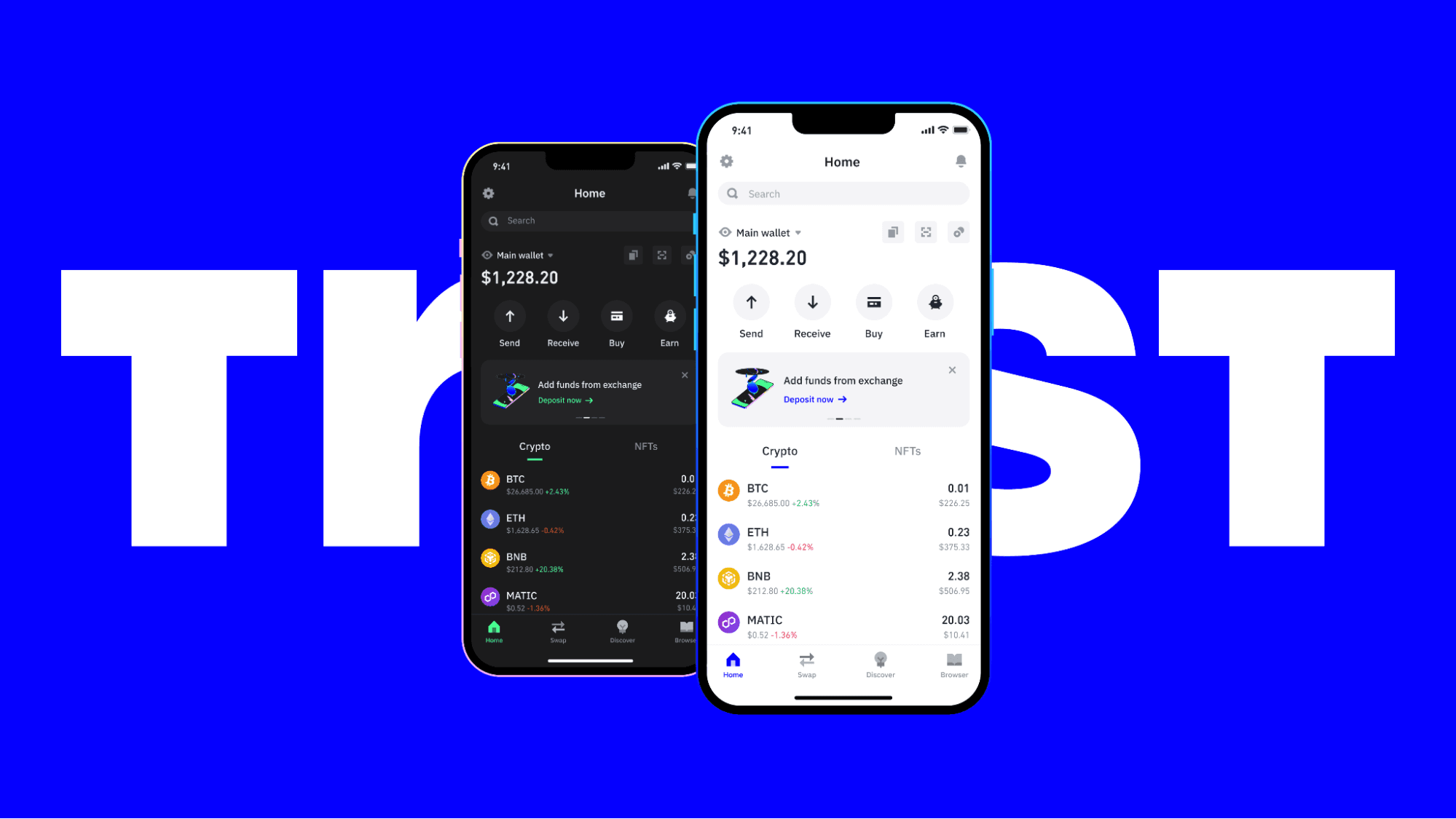
Trust Wallet is a self-custodial digital wallet designed to give users complete control over their cryptocurrencies, NFTs, and Web3 interactions. It enables secure storage, sending, receiving, and on-chain activity without relying on centralized intermediaries. Built with privacy and ownership at its core, Trust Wallet allows users to manage assets directly on supported blockchains while retaining full control of their private keys.
As a non-custodial wallet, Trust Wallet does not store user credentials or funds on servers. All sensitive data is handled locally, making it a preferred choice for users who value independence, transparency, and long-term asset security.
What Is Trust Wallet?
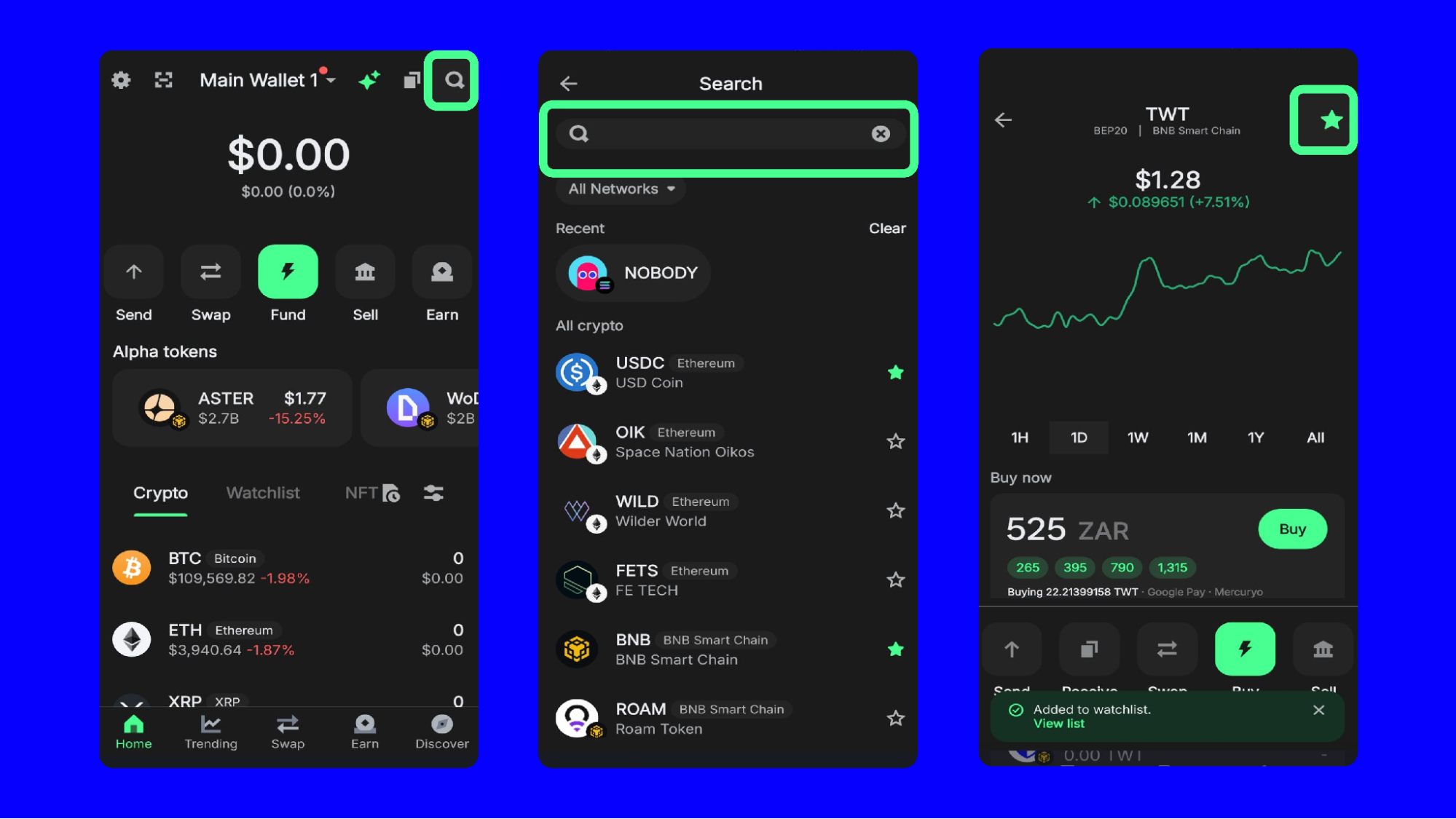
Trust Wallet is a decentralized wallet developed by Trust Wallet. It supports a wide range of cryptocurrencies and blockchain networks, enabling users to interact with decentralized applications (dApps), DeFi platforms, and NFT marketplaces from a single interface.
The wallet is designed for both beginners and experienced users, offering a balance between strong security controls and a user-friendly experience. By eliminating third-party custody, Trust Wallet ensures users remain the sole owners of their digital assets.
Purpose and Core Capabilities of Trust Wallet
Trust Wallet is designed to function as a complete gateway to the decentralized ecosystem. It allows users to store assets securely and interact directly with blockchain networks.
Key capabilities include:
- Secure storage of cryptocurrencies and NFTs
- Direct interaction with decentralized applications
- On-chain transaction signing and approvals
- Multi-network and multi-asset support
- Full user ownership of private keys
This structure aligns with Web3 principles of decentralization and self-sovereignty.
How Trust Wallet Works
When a wallet is created, cryptographic private keys and a recovery phrase are generated locally on the user’s device. These keys are encrypted and never shared with external servers. All transactions and dApp interactions must be manually approved by the user.
Trust Wallet acts as an interface between the user and the blockchain. While it simplifies access to Web3 services, it never takes custody of funds or control over transactions.
Getting Started With Trust Wallet
Setting up Trust Wallet is a guided process focused on security and clarity.
Download the Official Application
Users should install Trust Wallet only from official app stores or verified sources. Checking the publisher name helps prevent counterfeit or malicious applications.
Create or Import a Wallet
During setup, users can create a new wallet or import an existing one using a recovery phrase. Wallet data is stored locally and encrypted.
Secure the Recovery Phrase
A recovery phrase is displayed during setup. This phrase must be written down and stored offline, as it is the only way to restore access if the device is lost or replaced.
Enable Wallet Protection
Users can enable passcode or biometric protection (depending on device support) to restrict unauthorized access.
Security Features of Trust Wallet
Security is a central element of Trust Wallet’s design. As a self-custodial solution, it emphasizes both technical safeguards and user responsibility.
Key security features include:
- Local encryption of private keys
- Manual approval for transactions and dApp connections
- No centralized storage of user credentials
- Optional biometric and passcode protection
Users are encouraged to combine these features with proper recovery phrase management for maximum security.
Assets and Networks Supported by Trust Wallet
Trust Wallet supports a broad range of cryptocurrencies and blockchain networks, making it a versatile wallet for Web3 participation.
Commonly supported assets and networks include:
- Bitcoin (BTC)
- Ethereum and ERC-20 tokens
- NFTs and digital collectibles
- Multiple Layer 1 and Layer 2 networks
This wide compatibility allows users to manage diverse assets within a single wallet environment.
Common Issues and Helpful Tips
Most issues encountered while using Trust Wallet can be resolved with basic troubleshooting.
Helpful tips include:
- Keeping the app updated to the latest version
- Verifying the selected network before transactions
- Reviewing permissions granted to dApps
- Locking the wallet when not actively in use
For persistent issues, users should consult official Trust Wallet support resources.
Best Practices for Using Trust Wallet
Maintaining wallet security requires consistent attention and responsible usage.
Recommended best practices include:
- Never sharing your recovery phrase
- Avoiding unknown or unverified websites
- Reviewing transaction details carefully before approval
- Using strong device-level security
Following these practices significantly reduces the risk of unauthorized access or asset loss.
Frequently Asked Questions About Trust Wallet
What is Trust Wallet used for?
Trust Wallet is used to store cryptocurrencies, manage private keys, and interact securely with decentralized applications.
Is Trust Wallet custodial?
No, Trust Wallet is a non-custodial wallet where users retain full control of their private keys.
Can I recover my wallet if I lose my device?
Yes, wallet access can be restored using the recovery phrase created during setup.
Does Trust Wallet support NFTs?
Yes, Trust Wallet supports NFTs and other blockchain-based digital assets on compatible networks.
Is Trust Wallet suitable for beginners?
Yes, its intuitive interface and guided setup make it suitable for both beginners and experienced users.
Final Overview
Trust Wallet provides a secure, independent, and user-controlled environment for managing digital assets and accessing the decentralized web. By combining self-custody, strong encryption, and broad blockchain support, it empowers users to participate in Web3 without compromising ownership or security. For those seeking transparency, flexibility, and long-term control over their crypto assets, Trust Wallet stands as a reliable and professional solution.
Disclaimer: This content is for informational purposes only and does not constitute financial, legal, or investment advice.